Why Homeowners Trust roofing contractor Albany for Lasting Roofs
페이지 정보
작성자 Melody 댓글 0건 조회 37회 작성일 26-06-20 07:42본문
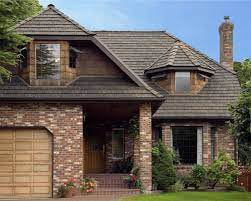
A strong roof keeps your home safe, dry, and efficient, but getting it right takes a careful plan and steady quality checks. We’ll focus on practical steps that reduce risk, raise workmanship, and keep surprises to a minimum, from first call. You’ll learn what to ask, when to ask, and how to judge results, using clear cues that anyone can follow. Think of this as a roadmap for scoping, materials, scheduling, quality controls, and budget trade-offs, all tuned for busy households and light commercial spaces. With these tips, you’ll avoid rework and get predictable outcomes. We’ll also cover realistic examples, like storm patching before a holiday week or replacing vent boots without tearing into finished ceilings. In brief, you’ll spot reliable workmanship and how to keep it on track. When you finish, you’ll be ready to speak the language of pros and make solid decisions with confidence.
Define scope early for fewer surprises and safer outcomes
Start by writing a simple scope that names roof sections, tie-ins, and exclusions, including chimneys, so nothing slips through. You can compare quotes from roofing contractor Albany in minutes to verify that each bid covers the same work. Request a brief outline that lists underlayment type, shingle or panel lines, flashing metals, and ventilation steps. This tight baseline keeps bids honest, and it reduces guesswork during tear-off. You prevent stalls by choosing early. You can enforce standards more easily when your scope is crystal clear.
Record lift paths and yard protection, including fragile landscaping and kids’ areas near work zones. Place protective mats on lawns, and mark overhead lines with tape on staging drawings. If a truck can’t reach the driveway, plan hand carries and staged drop zones. Defined routes reduce damage and keep crews efficient. Add a rain contingency in your notes, so tarps, sealants, and manpower are ready before the first cloud. A quick plan prevents scrambling when weather turns fast.
Pick underlayments and flashings for long-term performance
List your site conditions: salt air, roof pitch, and shade patterns across seasons. Get side-by-side samples from suppliers, and compare fastener specs roofing contractor Albany against the exact shingle or standing seam model. Ask for ice-dam underlayment up to the warm wall as needed. Quality materials extend service life, especially on edges and penetrations where leaks love to start. Spend where water moves for the best return.
Ventilation and moisture control matter just as much as the top layer. Confirm baffle continuity for soffits, ridge vents, or mechanical vents. With proper venting, shingles last longer and ice dams shrink. Use closed valleys for heavy rain where they make sense. One missed boot or flashing causes weeks of trouble, so specify exact brands and locations in writing. Detailed lists guide installers and protect your warranty.
Coordinate workflow and noise windows to fit real-life schedules
Set the daily rhythm before demo starts with a whiteboard schedule and text alerts. Crew call times, delivery slots, and quiet hours should align with school runs roofing contractor Albany and neighborhood rules. Agree on teardown limits per day so the team can dry-in before dusk. Small bites prevent overnight leaks, especially during storm season. If winds rise, halt tear-off first. That agility saves drywall and floors.
Debris control keeps sites safe and friendly. Sweep nails morning and evening across drives and walks. Park the dumpster on plywood, and tie down nets on windy days. Schedule a midweek progress walk to clear questions on vents, skylights, or satellite mounts. Many homeowners search roofer near me for this reason. Neat work zones earn referrals and avoid HOA troubles.
Embed controls that lower leaks and warranty risk
Build checkpoints into the day: flashing fit check after tear-off, underlayment seal checks before shingles, and photo docs at finish. Capture close-ups of pipe boots, step flashing layers, and valley starts roofing contractor Albany so you can compare against the scope. Require ridge-cap alignment shots as proof. Small checks stop costly returns when storms hit. Close items before moving zones. Fast closure keeps morale up and protects your timeline.
Final walkthroughs should be calm and methodical. Run water tests on suspect spots. Mark issues with painter’s tape, then add them to a shared punchlist app with due dates. Ask for registration numbers and coverage limits before the crew leaves. Trust your instincts and ask to re-check. Catching small misses now is cheaper than repairs later every time.
Spend smart on edges, vents, and flashings for longevity
Start by ranking roof zones: eaves, valleys, ridges, and penetrations carry the most risk. Spend extra on metal thickness, sealants, and step-flashing sequences roofing contractor Albany where water flows and wind lifts. Choose standard hues if you need room in the budget. Never skimp on fasteners; those choices backfire. Weak seals fail under heat, and repairs always hurt more.
Compare lifetime costs, not just day-one prices. Heavier gauge panels with proper clips can outlast cheaper picks by many seasons. Run simple math over 15 years to see the true curve. If funds are tight, phase work logically. Handle the worst slopes first, then schedule the rest. Thoughtful steps beat rushed jobs every time.
Make sure communication habits match your project’s needs
Interview at least three firms and dig into their process, not just price. Ask who leads the crew on-site roofing contractor Albany and how they handle mid-day changes. Ask how they stage tear-off vs dry-in. Clear answers beat slogans when storms roll through. Request two recent addresses you can drive by. Signals get obvious once you compare.
Communication rhythm matters. Do they send morning texts before you ask? Look for steady contact that reduces uncertainty. Define who signs off and when to avoid disputes. When answers get fuzzy, move on. Strong teams invite questions without drama.
Conclusion: A solid roof comes from clear scopes, right materials, steady schedules, disciplined quality checks, and smart spending. See every step as risk control and the whole system gets stronger. Push for clarity, confirm details, and expect steady updates. Do these things, and you’ll get predictable results that last through storms and seasons.

댓글목록
등록된 댓글이 없습니다.